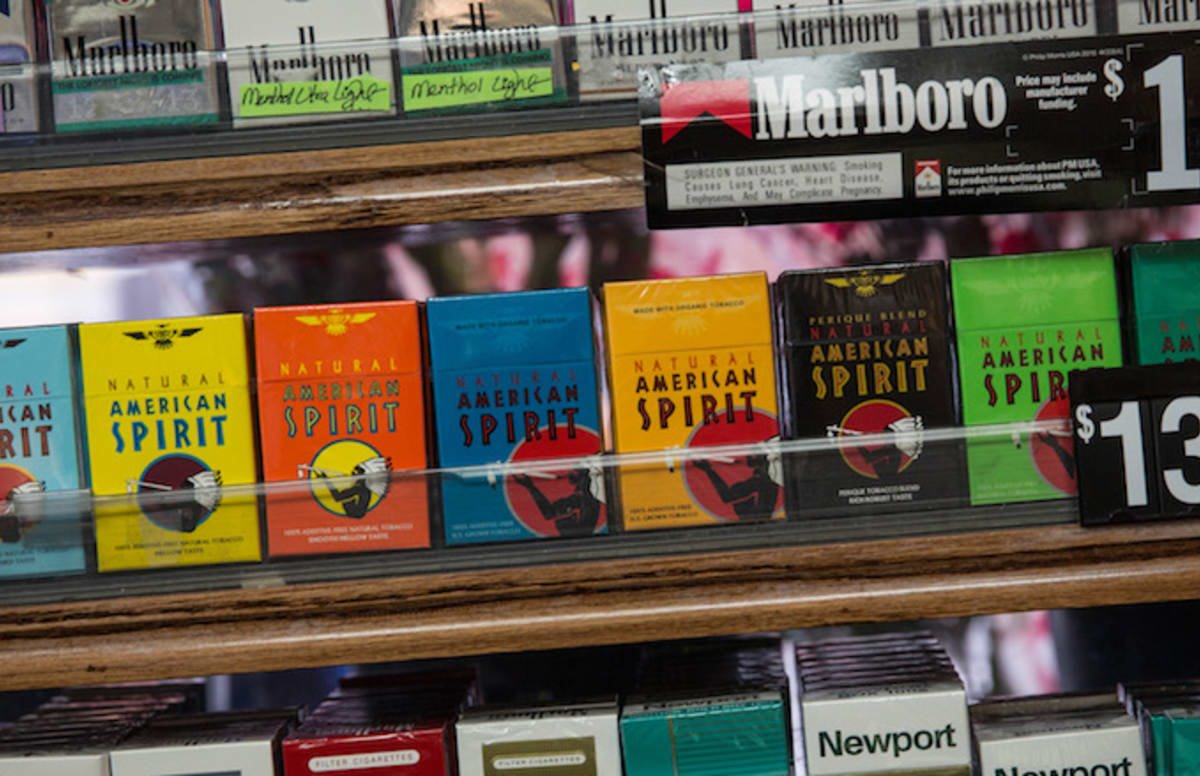
Australia’s petrol and convenience retailers are on the frontline of a tobacco and vape market under siege from illicit trade, excise hikes, and shifting consumer demand. The stakes are rising – for retailers, regulators and communities alike.
The legal tobacco market in Australia is shrinking faster than ever before. According to independent analysis, legal domestic sales of tobacco fell by more than 25 per cent between 2023 and 2024 – the sharpest decline in over a decade. At the same time, illicit tobacco consumption grew by more than 20 per cent, climbing to an estimated 3,400 tonnes and making up almost 40 per cent of total market consumption. The value of excise lost to illicit tobacco is staggering, with the federal government missing out on an estimated $6.7 billion in 2024 alone1.
Theo Foukkare, CEO of the Australian Association Convenience Stores described the reality for retailers.
“The illegal nicotine economy is now measured to be approximately $10 billion and still growing. Independent analysis estimated illicit tobacco at roughly 39 per cent of total consumption in 2024 – an extraordinary jump on 2023 – while latest estimates peg the illicit tobacco market closer to 60 per cent of total consumption and over 95 per cent of the vaping consumption is being supplied illegally. That’s the reality retailers are competing with every day,” he said.
The drivers of illicit tobacco and vape are clear: price, availability, and weak enforcement. Over the past 12 years, tobacco excise has risen more than 400 per cent. A legal pack of cigarettes now costs $50–55, while illicit packs can be found for as little as $15, or even $7.50 online. This widening price gap, exacerbated by cost-of-living pressures, has created what Emeritus Consultant Dr. Alex Wodak AM described as a booming black market.
“A packet of 20 legal cigarettes costs about $45 while a similar packet of 20 illegal cigarettes costs about $15,” Dr. Wodak said. “The huge and growing black market for cigarettes and tobacco has developed because of the high and increasing cigarette excise.”
James Bigwood, Head of Corporate and Legal Affairs at Imperial Brands Australasia, highlighted how these pressures play out in the petrol and convenience (P&C) channel.
“Excise increases result in higher prices, driving down-trading and, ultimately, movement of consumers to the illicit market. With legal options shrinking, one-in-two adult smokers are buying illicit tobacco products,” he said.
For retailers, the impact is profound, as Foukkare highlights: “Petrol and convenience retailers have lost more than $2 billion in legal sales over the last four years, and current declines are averaging out at 50 per cent over the last three months versus the same time last year.”
Crime, costs and community harm
The illicit tobacco and vape trade is no longer a shadow economy – it is a multi-billion-dollar criminal enterprise. Recent reports highlight that the illicit market has “become increasingly organised and lucrative, attracting sophisticated criminal syndicates, and presenting significant challenges for law enforcement”.
As Foukkare warns: “Senior ministers now openly acknowledge organised crime has a stranglehold on illicit tobacco, with associated violence and arson as gangs fight over territory. There is so much money to be made in illicit nicotine that it was recently reported the illegal nicotine market in Australia is now almost bigger than the total of the top five illicit drugs combined.”
The consequences for communities are confronting. AACS noted that “there have now been 250 firebombings; we’ve seen people murdered, ram raids and stores selling legal tobacco products robbed of their tobacco products almost daily – this has to stop”.
While some states have introduced stronger penalties – including on-the-spot store closures and jail time – retailers argue that enforcement remains patchy.
Foukkare put it bluntly: “Until we see these thousands of stores close permanently and illegal demand flows back into the legal regulated market then the new legislation is worthless.”
Dr. Wodak was even more sceptical, saying: “The effectiveness of current law enforcement directed at the illegal sales of cigarettes and vapes is very low. It is, in my view, futile. Demand for cigarettes and vapes is very strong.”
Illicit products are openly sold in stores, often without even an attempt to disguise them. According to the FTI Consulting Illicit Tobacco in Australia 2024 Report, illicit products include non-domestic packs, fake or foreign-market packaging, and unbranded loose-leaf tobacco, which are often moved quickly through temporary storefronts or online channels.
Policy at a crossroads
With excise revenue falling and illicit consumption rising, experts argue Australia must rethink taxation, enforcement, and vaping regulation to restore balance.
Critics argue that Australia’s ‘tax to quit’ model has failed. The Tulipwood Economics report, commissioned by AACS, concluded that “the Australian legal tobacco market is in terminal decline” and that current excise rates are “arguably well above the negative public health cost caused by smokers themselves”.
Foukkare was unequivocal in saying that the current system is unsustainable.
“The tobacco excise policy in Australia is broken. Excessive excise hikes without enforcement will just fuel the black market and punish compliant retailers – and this is happening at a frightening rate.”
Public health experts have also pointed to the limits of taxation as a deterrent, arguing that the government must find a new balance between price, compliance, and consumer behaviour.
Dr. Wodak echoed this, calling for a reset.
“The government will have to reduce cigarette excise in order to win back smokers prepared to buy from legal sources. There is no evidence of a vape black market in New Zealand where the government decided in 2020 to make vapes more available than cigarettes. The NZ system seems to work well,” he said.
If tobacco is the battleground, vaping is the flashpoint. Despite widespread consumer demand, legal access to nicotine vapes in Australia is limited to pharmacies – and few stock them. Meanwhile, more than 95 per cent of vapes sold in Australia are supplied illegally1.
Bigwood noted: “Globally, reduced-risk products are seeing strong growth as regulators adopt more progressive frameworks that support adult access. In contrast, Australia’s restrictive policies have limited legal access and inadvertently driven demand into the black market.”
For retailers, the lack of a regulated vape market is a lost opportunity, argues Foukkare.
“We need to implement a regulated retail model for vaping and other harm reduction products so Australians can access legal, high-quality options,” he says.
Consumer behaviour tells the story that price sensitivity is the overwhelming factor in choice. Low-income and disadvantaged populations – who are more likely to smoke – are disproportionately impacted by high excise2. For many, illicit products are the only affordable option.
“Many smokers are not prepared to pay $45 for a packet of 20 cigarettes. And many people who vape clearly do not believe the government propaganda about vaping,” says Dr. Wodak.
Research reinforces this – in 2024, nearly four-in-10 consumers reported it had become easier to purchase illicit loose-leaf tobacco, with awareness rising year-on-year1.
There is little dispute that Australia’s current trajectory is unsustainable. Excise revenue is already declining – forecast to fall from $8.3 billion in 2025–26 to $7.6 billion by 2028–292. Meanwhile, organised crime profits are soaring. Policy options being canvassed include freezing excise at 2024 levels, reducing excise to pre-COVID levels, legalising nicotine vapes and pouches, and dramatically increasing enforcement2.
As Foukkare concluded: “Three things need to happen urgently: a national, resourced licensing and enforcement model with rapid shop-closure powers led by the AFP; a rethink of excise settings; and targeted consumer education. We’ve called for bipartisan action – because law-abiding retailers, their teams, and communities can’t wait.”
Bigwood agreed that reform was overdue, saying: “Australia’s regulatory approach has become a cautionary example internationally. Excessive taxation and prohibition-style policies have driven consumers toward illegal products, undermining public health goals and empowering criminal syndicates.”
The challenge now is whether policymakers can strike a balance between public health objectives, fiscal realities, and the survival of the legitimate P&C retail sector.
Original article Tobacco’s tipping point: A spotlight on tobacco in P&C - Convenience & Impulse Retailing
Share this: