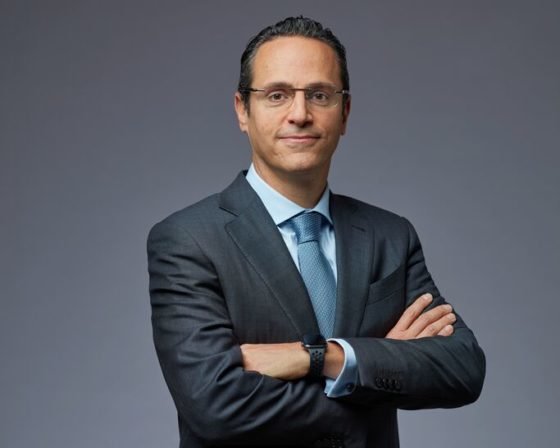
Shell CEO Wael Sawan has downplayed the company's commitment to reach net zero emissions by 2050 as governments have struggled to create a conducive policy environment and world energy consumption has continued to surge.
"Our objective has been to be a net zero business in a net zero world," Sawan said when questioned on the climate target at International Energy Week 2026 in London Feb. 10. "We cannot divorce Shell from what the world is doing," he said.
In its Energy Scenarios 2026 outlook released in January, Shell said the world could consume a quarter more energy in 2050 than it did in 2025, and the company has targeted pumping at least 1 million boe/d more oil and gas by 2030.
That view could be at odds with the international energy company's aim to reach net zero emissions by 2050, a target it first set out in 2020.
In 2024, Shell weakened its interim 2030 carbon reduction target but recommitted to its net-zero 2050 plans to support its Paris Climate Agreement goals.
Addressing the IE Week conference, Sawan said that governments should take an "energy addition" approach to supporting low-carbon fuels, encouraging the trillions of dollars of infrastructure investment needed to develop nascent markets without inhibiting fossil fuel growth.
"Were there a huge focus and ambition in enabling policies, then I think it [net zero 2050] is absolutely possible," he said. However, he conceded that governments face a difficult challenge juggling competing spending demand for defense, infrastructure and affordable energy in an increasingly volatile landscape.
To date, mandates on low-carbon fuel use have proven the most effective way to cut emissions and encourage the development of markets such as biofuels, the Shell CEO said, stressing the importance of a government-led approach. "The concept of voluntary markets had not materialized in the way I admit we had hoped," he said.
Full story Shell casts doubt on net zero 2050 commitment | S&P Global
Share this: