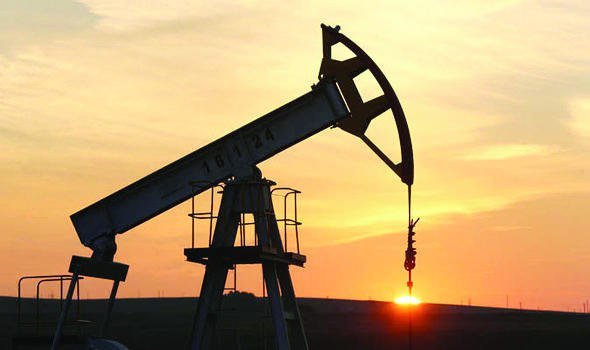
Germany, Austria, Japan, Spain and France have all indicated plans to release some of their oil reserves, a day after the International Energy Agency was debating the pros and cons. The Iran war has driven prices up.
Europe has been struggling with rising oil and fuel prices amid the conflict in the Middle East. Coordinated efforts to keep oil prices and fuel prices at filling stations in check began to emerge on Wednesday. The moves come amid the fast-rising prices caused by the attacks on Iran and wider conflict in the region.
"The oil market challenges we are facing are unprecedented in scale, therefore I am very glad that IEA member countries have responded with an emergency collective action of unprecedented size," said International Energy Agency Executive Director Fatih Birol.
German Economy Minister Katherina Reiche called a lunchtime press conference in Berlin, a day after Finance Minister Lars Klingbeil had said the government was open to releasing some of its reserves. Reiche told reporters that the IEA had asked its members to free up 400 million barrels of oil from national reserves.
"We will meet this request and do our part, because Germany stands behind the most important tent of the IEA, collectively solidarity," Reiche said. She said Germany planned to contribute 2.4 million metric tons of oil in total. Reiche said that although there was no shortage in Germany at present, the legal requirement for releasing reserves, this was the case in other parts of the world already.
Austria's government said it would limit increases in diesel and gasoline prices at fuel stations to once per day and that it would take part in international plans to release some of the oil reserves.
Japan's government issued a similar statement, with one of the worse-hit countries saying it would not wait for others and would start releasing reserves as early as Monday.
"Without waiting for a formal decision on coordinated international stock releases with the IEA, Japan has decided to take the lead in easing supply and demand in the international energy market by releasing strategic reserves as early as the 16th of this month," Prime Minister Sanae Takaichi Takaichi told reporters.
French Economy Minister Roland Lescure said that the flurry of announcements "are without any doubt part of an extremely coordinated approach."
Spanish Energy Minister Sara Aagese said that the recommended release from the IEA would be more than twice as large as the release at the beginning of Russia's full scale invasion of Ukraine four years ago.
After talks between G7 ministers, experts at the International Energy Agency (IEA) were charged with debating the pros and cons of releasing some oil reserves and presenting their findings to Western governments.
Reiche also told reporters in Berlin on Wednesday that the government would follow what she called the "Austrian model" and seek to limit fuel station operators to just one price increase each day.
She said she was trying to counter what Germany's cartel office has described as the "rocket and feather effect" in its investigation of pricing practices. It had argued that opportunistic filling stations would increase prices like a "rocket" taking off as the base oil price rose, but then only reduce them again like a "feather" falling back to earth.
"Fuel prices rise amid higher crude oil costs extremely quickly, the rocket, and then sink again amid falling costs only very slowly, the feather. We want to break through this mechanism," Reiche said. There will be no limitations on how often petrol stations can reduce their prices.
Reiche however did not specify when this change would come into force. She said it would first require alterations to existing German cartel laws. She said the coalition government parties would try to identify an existing legislative bill to which the move could be attached, in a bid to expedite its passage in parliament.
Full story Germany, others partially release oil reserves amid Iran war
Share this: