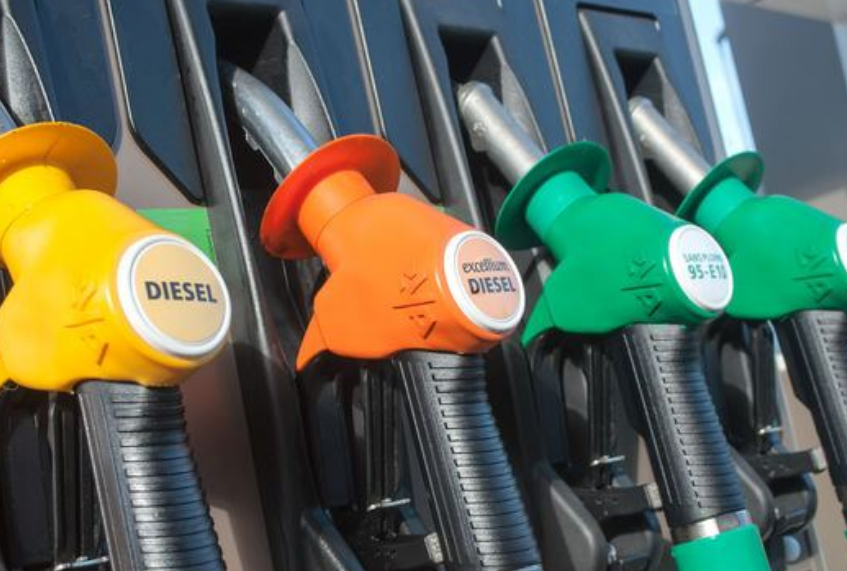
Fuel prices could keep rising for months even after the Strait of Hormuz reopens, the U.S. Energy Information Administration said on Tuesday, deviating from U.S. President Donald Trump’s assurances that consumers will see immediate relief when the war with Iran ends.
The U.S.-Israeli war with Iran, now in its second month, has sent oil and fuel prices skyrocketing around the world as Iran has blocked the Strait of Hormuz, a key trade chokepoint responsible for the transiting of one-fifth of the world’s oil and gas.
Trump, whose approval rating dipped to new lows as pump prices surged to multi-year highs, has repeatedly told Americans that the sticker shocks will be temporary.
However, the U.S. Department of Energy’s statistical arm was less certain in its short-term energy outlook report. The agency now sees global benchmark Brent crude oil spot prices averaging US$96 a barrel this year, up from the EIA’s prior forecast of $78.84, and for both retail gasoline and diesel prices to keep rising.
The agency said full restoration of oil flows through the Strait of Hormuz will take months even after the war ends, keeping prices elevated until flows resume fully and Middle Eastern producers return to normal output.
“Just as we had never before seen the strait close, we’ve never seen it reopen. What exactly that looks like remains to be seen,” the EIA said.
Full story Iran war news: Fuel prices could rise after Strait of Hormuz reopens
Share this: