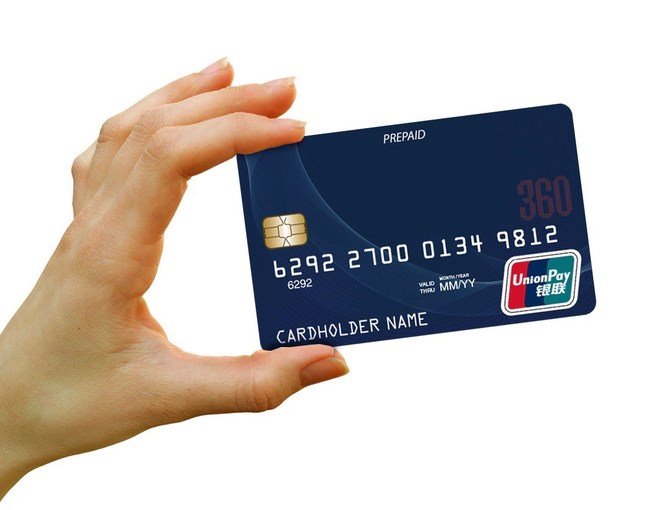
A surprising number of c-store operators have multiple payment systems across their stores. A recent survey from Vontier delved deeper into the pros and cons of that approach. An excellent feature in C Store Dive this week, certainly ticks all the important boxes. Edited highlights below.
While there can be many many upsides to c-store expansion, one of the downsides can come in the form of fragmented payment technology.
Retailers may acquire stores that use a different fuel pump or in-store point-of-sale system. Or maybe they decide to integrate a new technology solution when they open a fresh design, but don’t have the cash to retrofit that solution into older locations.
The state of these technology kaleidoscopes became the topic of a recent study from retail tech company Vontier on unified payments.
According to the report, which surveyed representatives of companies from single-store operators to major multi-state chains, 75% of the industry is dealing with a fragmented payments system.
Additionally, half of respondents had at least four different outdoor terminals while a third had four or more different indoor terminals.
That means that if a retailer wanted to accept a new form of payment or to add to its loyalty program, it would have to make sure those changes worked across all those different vendors. That could potentially add to the time and expense of the change.
The unfortunate truth is that while technology can make things easier and improve access to information, it can also fail. The report found that 88% of respondents had experienced at least one service outage in the past year, with 36% saying they had been hit with three or more in that timeframe.
When retailers have multiple payment technologies, they face an increased likelihood of outages since they would be affected if any of those solutions encountered problems. But if all stores are on the same system, an outage could take down the whole network, so there are downsides to both sides of the coin.
While there are benefits to unifying payments tech, it also comes with costs — of the monetary sort, among others. Vontier’s survey found that the median budget for upgrading to a unified payments platform was $100,000 to $250,000. Depending on a retailer’s income, that could be a big chunk of change.
Despite the cost, 27% said they’re looking to make the change and 57% said they’d be willing to invest in the next 12 months if the return on investment was clear.
Share this: