When New Delhi resident Krishna Kumar pulled into a local petrol station a few months ago, he expected nothing more than a routine fuel stop. Instead, like millions of motorists across India, he found that E20 petrol, a blend containing 20 percent ethanol was the only fuel available.
Indian petrol stations can now only offer fuel with 20 percent ethanol blended in. But the rushed move has triggered concerns about lower mileage, damage to cars and has thrust the Modi government into the eye of a political controversy. Krishna had little choice but to fill up.
Within weeks he began noticing changes in the way his petrol sedan behaved on the road. His sedan, which had always been serviced on time and had never given him big problems, no longer felt as responsive. Its fuel efficiency declined, acceleration became sluggish and driving uphill or with the air conditioner on seemed noticeably different.
The mileage dropped from about 18-20km (11-12 miles) per litre to about 16-17km (10-11 miles) per litre – a drop of more than 10 percent and the acceleration is slower, he said, especially while overtaking, driving uphill or using the air conditioner. He hasn’t changed the way he drives; all that has changed is the fuel.
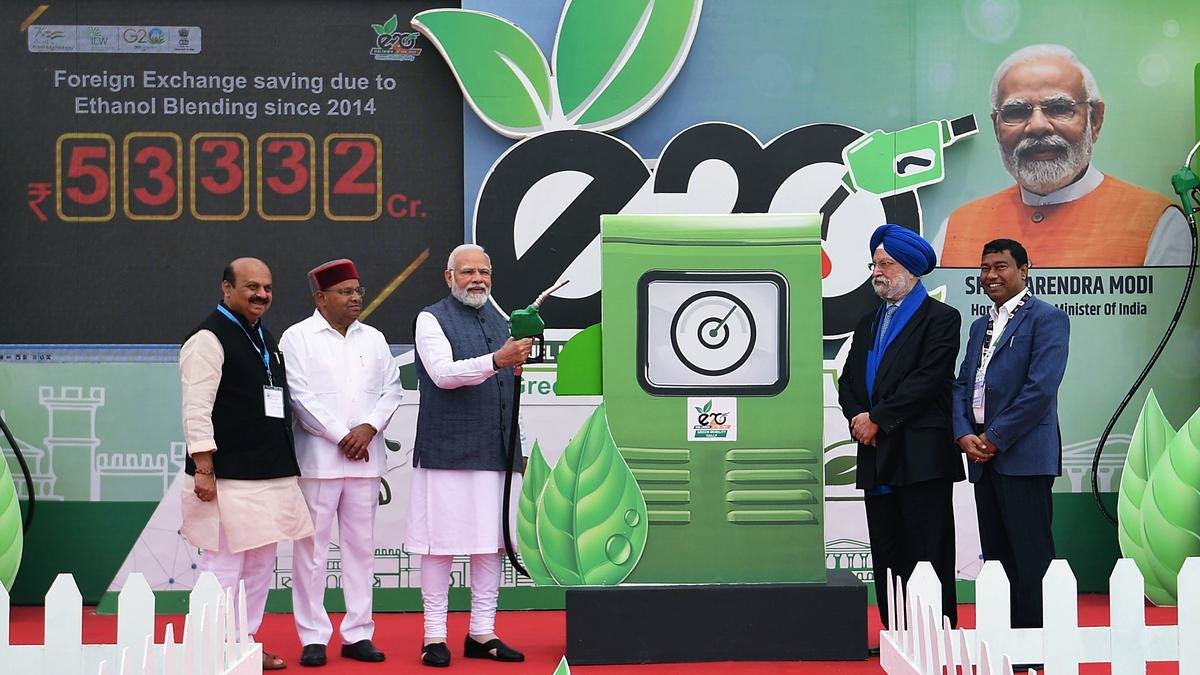
Kumar’s plight is one that millions of car owners across India are suffering as the country completes one of the world’s fastest transitions to higher ethanol-blended petrol. Under the National Policy on Biofuels, the government of Prime Minister Narendra Modi advanced its target of achieving 20 percent ethanol blending from 2030 to 2025.
E20 became mandatory across petrol stations last year. Despite initial concerns over the rush – India had, until then, had a maximum of 10 percent ethanol in its petrol – flagged by several consumers, calls for a review of the policy died down.
Share this: